The Art of Seeing
The collection begins long before it reaches the showroom.

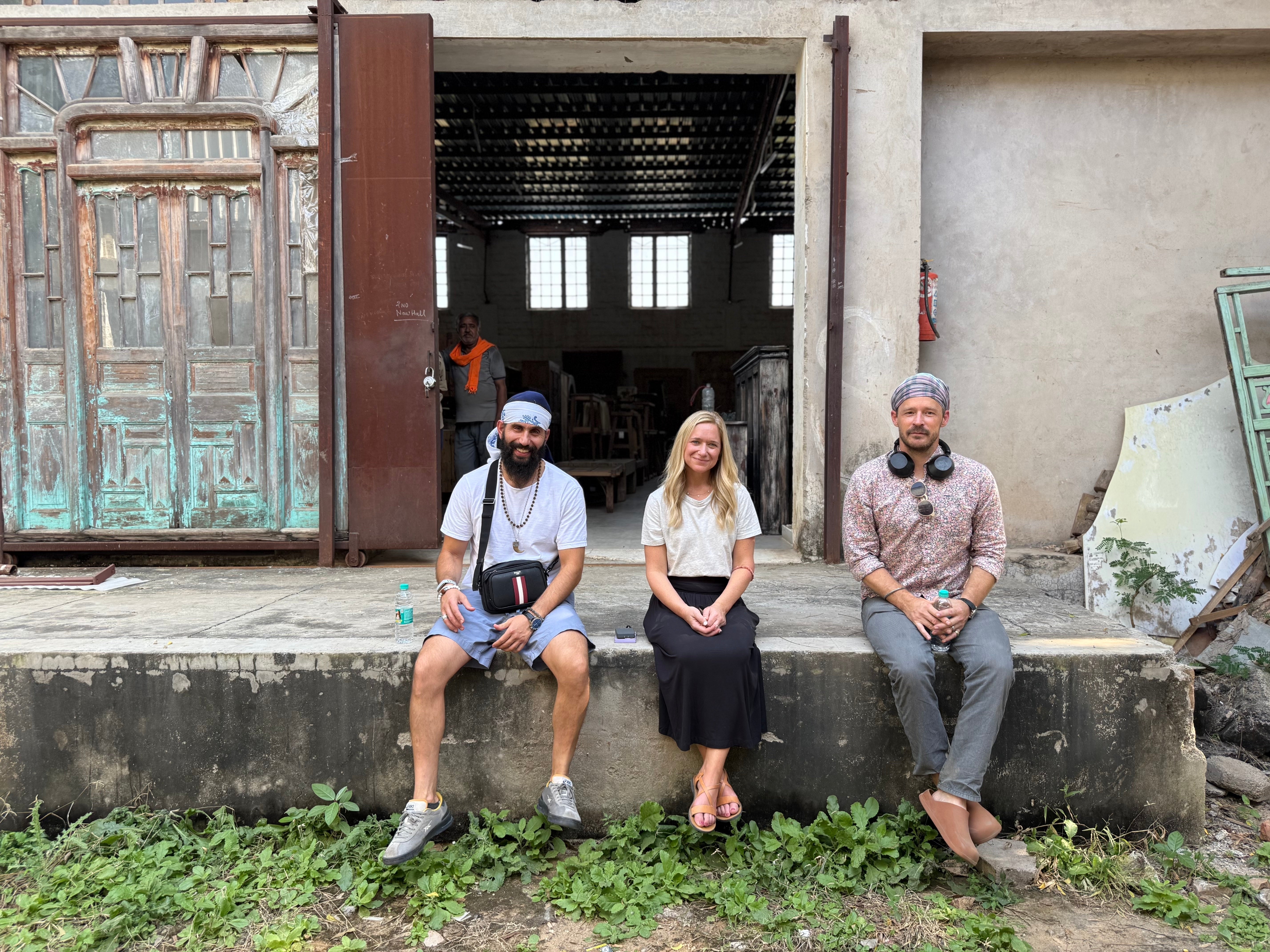
I recently sat down with Hallie and Sat Gurumukh to reflect on their buying trip to India last fall and to explore the stories, discoveries, and shared experiences that helped shape our Spring India Collection.
Going into the conversation, I expected to hear about favorite finds, memorable discoveries, and the inevitable adventures that come with sourcing halfway around the world. What emerged instead was something far more interesting: a conversation about how a collection takes shape through years of shared experience, trust, and creative dialogue.
When most people imagine sourcing, they picture the moment of discovery. They imagine walking into a warehouse and immediately spotting the extraordinary piece that no one else has noticed. The reality, as Hallie described it, is far less romantic and far more immersive.
"It's overwhelming at first," she told me. "There's so much to look at. You've got to clue in a little because there's just so much to see."
The warehouses stretch endlessly. Furniture, architectural elements, carvings, textiles, and antiques are stacked floor to ceiling. Every turn presents another possibility. Every aisle offers another beautiful object competing for your attention.
And then, after days of looking, something unexpected begins to happen.
"You get so oversaturated that eventually the gems begin to stand out because you've seen it all."
That observation stayed with me long after our conversation ended.
The challenge isn't finding beauty. Beauty is everywhere. The challenge is learning how to recognize what is truly exceptional.

Listening to Hallie and Sat Gurumukh speak, I realized that this ability doesn't happen overnight. It is developed through years of looking, collecting, refining, and, perhaps most importantly, learning alongside one another.
What fascinated me most was hearing how their individual perspectives shape the collection. Hallie spoke about arriving in India with a clear intention. This year, she found herself drawn toward softness and femininity—floral motifs, lighter forms, and pieces that would bring balance to heavier architectural elements and carved woods.
"It's not about taking away the strength," she explained. "It's about bringing in a touch of softness. When you have a lot of heavy, bringing in that softer element creates balance."
As she spoke, it became clear that sourcing isn't simply about selecting beautiful objects. It is about developing a point of view. Every year, their eye becomes more refined. Their vision becomes more cohesive. The conversation becomes more nuanced.
Sat Gurumukh reflected on how much that process has evolved over the years. Early on, everything felt exciting. Every discovery felt significant. But with experience comes clarity. The collection is no longer shaped by individual pieces alone. It is shaped by the larger story they are trying to tell together.
And perhaps that's what struck me most. What emerges from the process isn't shaped by a single person's vision.

One person notices something the other might have overlooked. One is drawn to a detail, a color, a motif, or a feeling. The other sees how it fits into the larger narrative. Through hundreds of conversations, shared discoveries, and years spent walking the same warehouses together, a distinct point of view slowly begins to emerge.
Then there are the moments that can't be planned.
At one point during the trip, after hours of searching, Hallie described what she laughingly called an "eye break." They weren't actively searching anymore. Exhausted from the sheer volume of visual information, they had stepped away from the warehouses for a moment of rest when she suddenly paused and said, "Look."
What followed was one of those rare moments every collector hopes for. A moment of shared recognition. The immediate understanding that something extraordinary had appeared before them.
Those moments cannot be manufactured. They happen only after hours of attention, years of experience, and a willingness to remain open to surprise.
By the end of our conversation, I found myself thinking less about the objects themselves and more about the process behind them. The pieces that ultimately find their way to Sukhmani are not simply the result of sourcing, but of curiosity, collaboration, trust, and a shared commitment to seeing beyond the obvious.
Perhaps the true art behind curation is learning, over time, how to recognize something extraordinary when it appears.
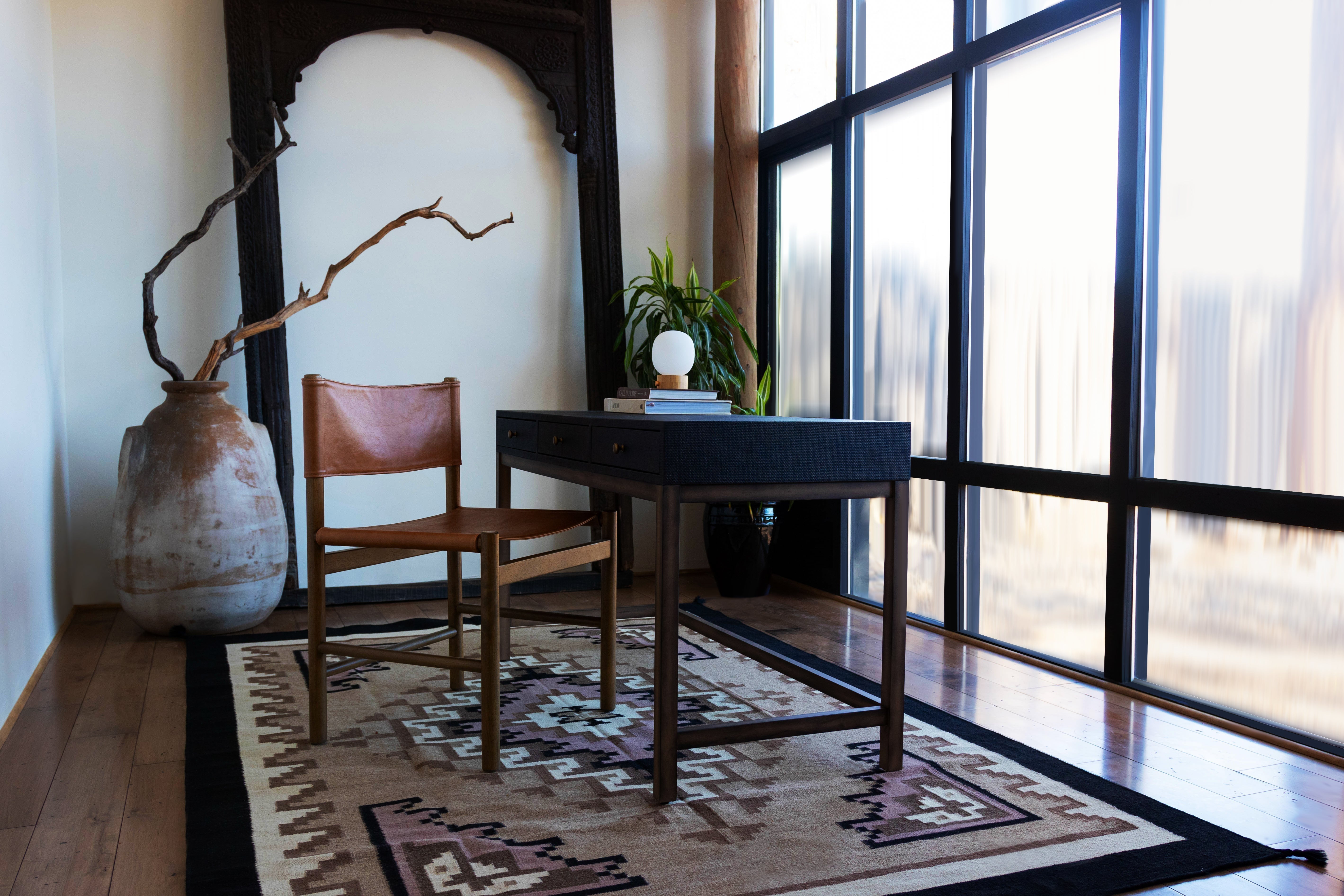
Many of the pieces discovered during Hallie and Sat Gurumukh's journey through India can now be experienced in our Santa Fe and Albuquerque showrooms. Access to additional inventory, private warehouse appointments and virtual tours are available by request.