Beginning the Year With Intention
The beginning of a new year doesn’t have to arrive with pressure or acceleration. It can begin quietly — with clarity, presence, and a sense of grounding.
Our spaces play an active role in how we move through daily life. The environments we inhabit influence our energy, our focus, and our ability to rest and restore. When shaped with care, a space becomes a supportive system — one that encourages balance, calm, and ease.
This is an invitation to begin the year slowly, with attention to the spaces that hold you.
The Home as an Active Experience

A space is not just a backdrop to daily life; it is an active participant in it. Through layout, light, material, and flow, our environments quietly shape how we feel and how we function each day.
Thoughtful design supports a sense of ease and restoration. It can encourage rest, foster clarity, and create moments of calm within the rhythm of daily life. When a space is arranged with care, it becomes welcoming rather than demanding, allowing you to move through your day with greater presence.
When we begin to see our spaces as living systems, each design choice becomes an opportunity to support both beauty and well-being.
A Slower Re-Entry

Rather than rushing forward, the beginning of the year invites us to pause.
A slower re-entry creates space to reflect on how we want to live, not just what we want to accomplish. It allows us to notice where our environments feel supportive, and where they may ask too much of us.
Often, it is not sweeping change that restores balance, but small, considered adjustments: simplifying a room, softening a corner, allowing light to move more freely. These subtle shifts create room to breathe, setting a tone for the months ahead that feels grounded rather than hurried.
Grounding Through Texture

Texture brings the body into the present moment.
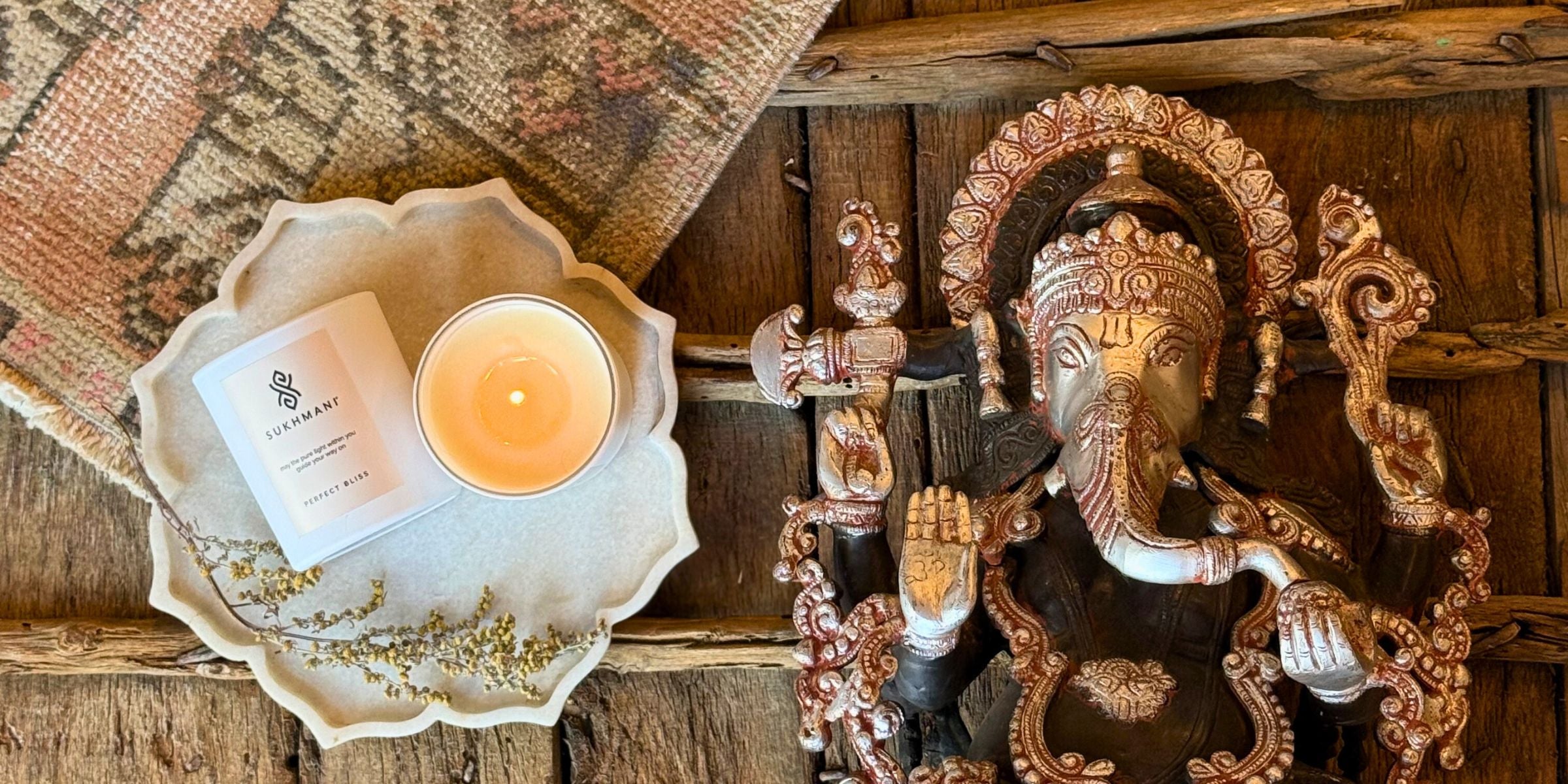
Natural fibers, woven materials, and layered textiles create warmth and sensory grounding within a space. They soften hard edges, absorb excess energy, and invite a feeling of containment and ease. A well-placed rug can anchor a room, while throws and cushions encourage rest and lingering.
Texture is not decorative; it is foundational. It supports how a space feels as much as how it looks, offering quiet reassurance through touch and material honesty.
Objects With Presence

Certain objects carry weight beyond their form.
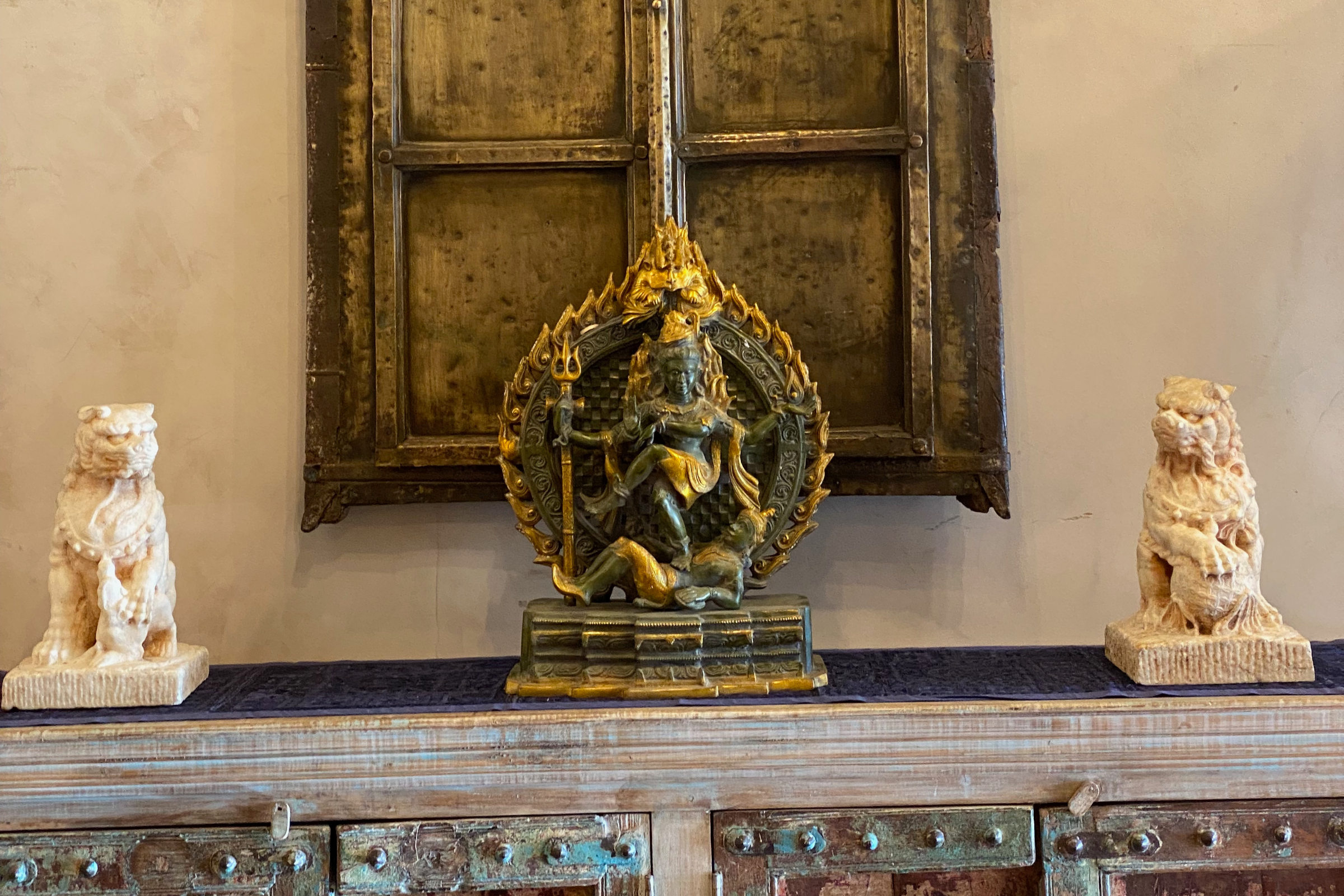
Sculptural pieces, pottery, and statuary can serve as anchors within a space. When chosen with care, they offer stillness and orientation, subtly shaping the atmosphere of a room. Rather than filling a space, these objects hold it.
The intention is not abundance, but resonance — allowing a few meaningful pieces to create depth, focus, and continuity.
Energy, Flow, and Daily Ritual

Ritual does not need to be elaborate to be meaningful.
Simple, repeated gestures — lighting a candle, enjoying the atmosphere, pausing at the end of the day — help regulate energy and establish rhythm within a space. These moments create gentle transitions, allowing us to move more consciously through daily life.
Apothecary elements support these rituals through scent, mood, and repetition, inviting awareness into the everyday and transforming routine into something grounding and restorative.
Bringing It All Together

When architecture, texture, objects, and ritual work together, a space becomes a place of balance.
This integration supports a way of living that feels considered and aligned, where beauty is not separate from function, and care is woven into daily experience. The result is an environment that nurtures rather than demands, offering steadiness amid the movement of life.
An Invitation
Request a Design Consultation
or learn more about our Interior Design Approach and how we work with clients to shape spaces that hold meaning and beauty.